All Categories
Featured
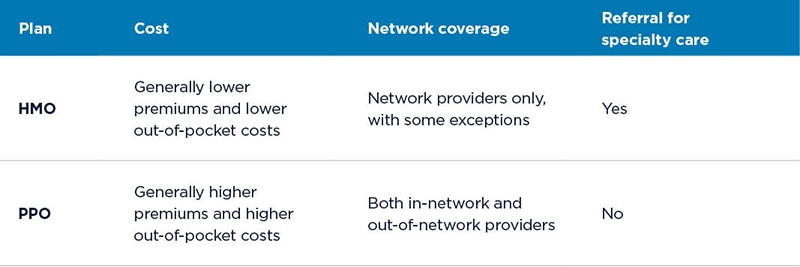
PPO vs PPO: Finding the Best Network
The death advantage is the amount of cash your recipient gets after you die. With IUL policies, the death advantage might be reduced by the quantity of any cash value withdrawals or cash worth loans you took out however didn't pay back. This death benefit is typically not taxable for your successors. They both use protection for life and include a survivor benefit and cash worth element that grows with time. But whole life supplies more predictability since the premiums and death benefit remain the exact same, and your money worth grows at a fixed rate that will not decrease. You might have lower premiums with fewer costs compared to an IUL, though you can't adjust
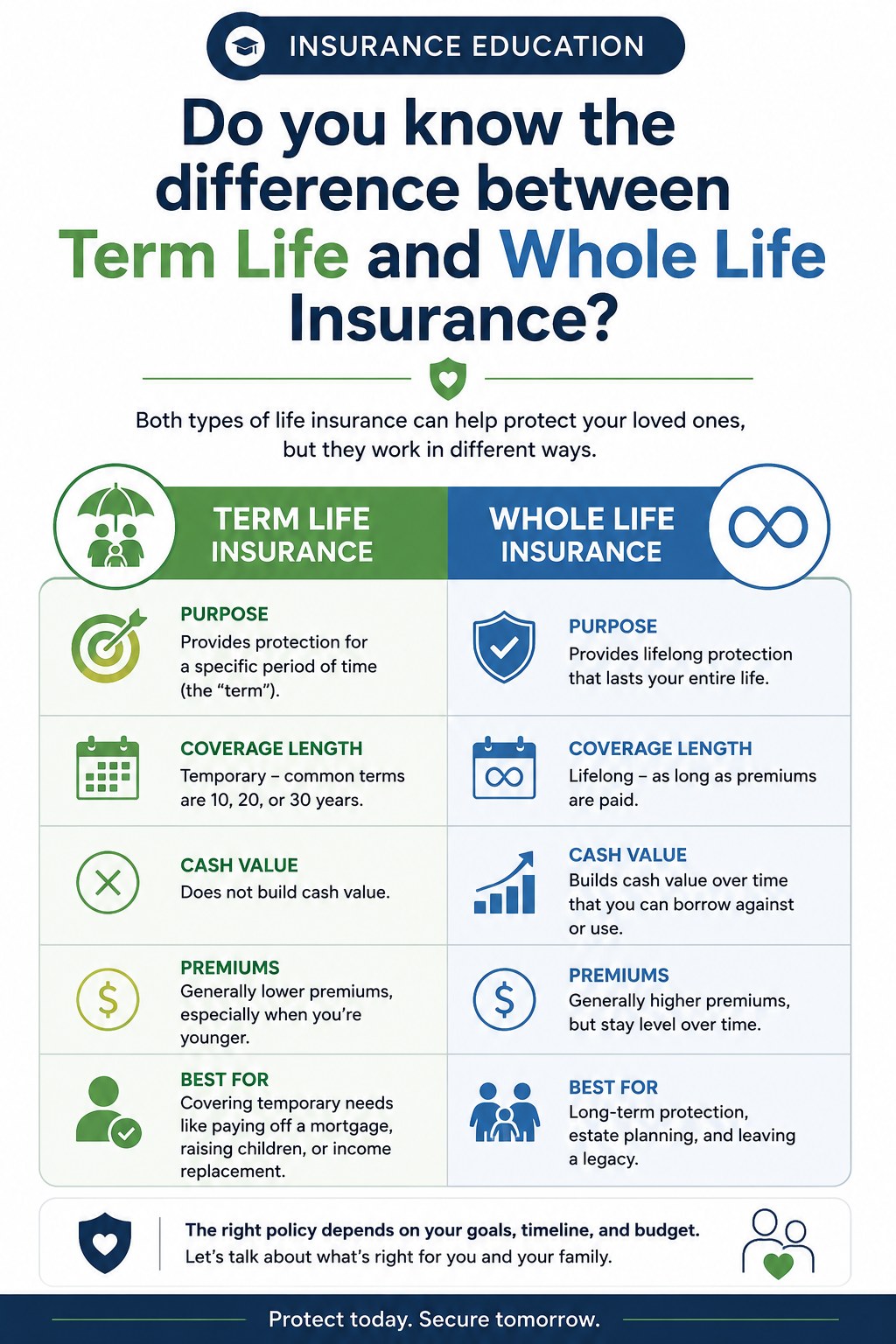
premiums or manage the money worth investment. The flooring on the indexed portion of your cash worth safeguards against market swings. And because the policy isn't directly bought the stock market, your threat is minimized. You have the choice of adjusting your premiums and death benefit while the policy is in force. You can likewise assign your cash value to various sub-accounts and potentially choose where the indexed account invests. Your recipients also receive a survivor benefit that isn't normally based on income or estate taxes. You might withdraw or obtain from your money worth anytime without charge. IUL policies don't restrict how much you can contribute each year, allowing you to experience more development if you desire to contribute more. Caps and maximum participation rates limit the amount of interest you can earn in your indexed account. Your insurance business does not directly purchase stocks, so you won't benefit from dividends paid to shareholders. Insurer charge fees for managing your account, which can eat into your cash worth. If you withdraw money that includes financial investmentgains before your policy grows, you may require to pay income taxes on the funds. The expense of an indexed universal life insurance coverage policy varies, depending upon factors like your age, where you live, your health and the protection quantity you choose. But usually, indexed universal life insurance coverage policies cost more than term life insurance coverage since they include a money value account and neverend. For instance, according to one quote, a healthy, nonsmoking 34-year-old woman might pay between$71 and $96 a month for an indexed universal life policy, assuming$250,000 of coverage. The exact same individual may pay$32 to$44 a month for a term life policy and between $177 and$245 per month for a whole life policy.
It's likewise an excellent alternative if you think you'll need to adjust your premium and death benefit. However you may not require a life insurance policy after you have actually paid off your debts and conserved for your huge financial goals, like retirement and your kid's college education. In these scenarios, a term life insurance policy with a separate retirement fund and other cost savings cars may offer what you require, and at a lower cost tag. An independent agent can stroll you through your alternatives to find the best protection amount for the very best price with a trustworthy insurance provider. Once you have a couple of quotes, you should: Compare protection limitations, estimated regular monthly payments and administrative or management fees that include each policy. Select a policy and an insurance company. The company might ask you to go through a phone interview or medical examination. As soon as authorized, begin paying premiums on a routine basis. Indexed universal life insurance coverage provides irreversible coverage with a death advantage and a money value that grows based upon underlying financial investments. You can either designate the money worth part in a fixed account, an indexed account or both.
Instead, the insurance business uses the index as a benchmark to figure out how much interest to credit to the cash value part of your policy. If the index has a bad year, your credited interest may be lower(in some cases even 0%), depending on your policy's terms. If your policy credits the.
full 10Complete, your cash value money worth about $5,000 in interest before fees and costs charges.
Expect your policy has a 10 %cap, and the market index gains 15%that year. Although the index increased by 15 %, your policy would only be credited 10 % before costs and other policy charges. Numerous IUL policies have a 0 %floor, meaning you will not lose money value just because the underlying market index has an unfavorable year. For instance, if the index falls 18%, your credited interest may be 0%rather of -18%. That stated, a 0 %floor protects you from market losses, not from policy expenses. A participation rate determineshow much of the index's gain is credited to your policy. If your policy has an 80 %participation rate and the index increases 10%, you would get 8%interest (80%of the index's gain), assuming no cap restricts the return. If the involvement rate is 100 %, you would make the full 10 %as long as it does not go beyond the cap. 2 policies tracking the same marketindex can produce very various outcomes depending on how these functions are structured. The majority of indexed universal life policies let you select between 2 types of death advantages: Your beneficiaries receive a fixed death advantage throughout the life of the policy. As your money worth grows, it generally enters into that total death advantage rather than being paid in addition to it.

Latest Posts

Cheap Individual Health Insurance for 2026

Choosing Between PPO Vs HMO Medical Plans
Comparing 2026 Medicare Advantage vs Medicare Supplement Options